October 4, 2026 Post by : Editorial DIY & Home Recording
The Slow Rise of the Regional Scene: Why Local Still Beats Viral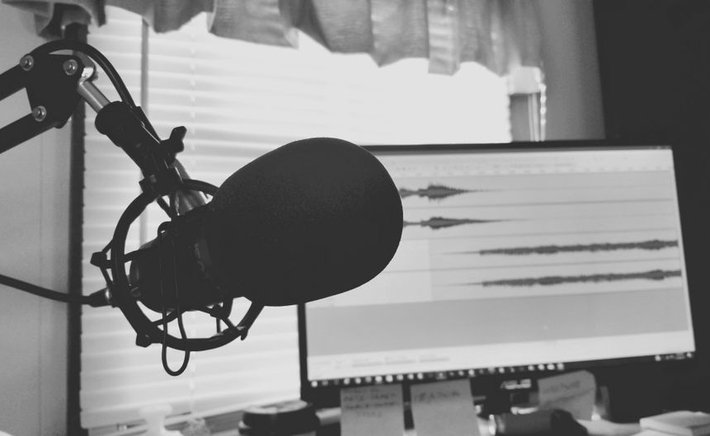
There is a particular sound that comes out of a basement: slightly muffled, a little boxy, alive with the hum of a refrigerator or a furnace kicking on mid-take. For decades, that sound was treated as a problem to be solved. Now it is often the point. The basement tape, once a necessary compromise for artists who could not afford studio time, has become an aesthetic choice and, for many, a philosophy of making music on your own terms.
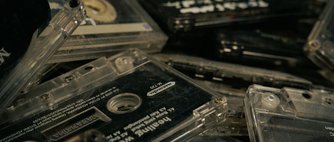
The lineage runs from the earliest home four-track experiments through the cassette culture of the eighties and nineties, when trading tapes through the mail was a genuine distribution network. What united those scenes was not a genre but an attitude: the belief that a song did not need to be polished to be worth hearing, and that the person writing it did not need permission to record it. That attitude has survived every technological shift since, from MiniDisc to USB interfaces to the phone in your pocket.
Why Limitations Still Matter
Modern recording software offers infinite tracks, infinite plugins, infinite options. You would think that would make things easier. In practice, many independent artists describe the opposite: a kind of decision paralysis where every take can be edited and every part can be replaced. The basement approach pushes back against that. When you only have four inputs, or one microphone, or a laptop that starts wheezing when you load a fifth reverb, you make choices faster and commit to them harder.
That commitment is audible. A vocal that cannot be comped into perfection carries the grain of a real performance. A drum take that drifts slightly keeps its human pulse. Listeners may not articulate why a rough recording feels more immediate than a glossy one, but they respond to it. There is a reason so many beloved indie records were made in bedrooms, garages, and yes, basements, and it is not nostalgia alone.
The tools have changed, but the trade-offs have not. Someone recording an album on a used interface and a borrowed dynamic mic is working within constraints that shape the music as surely as any instrument. Those constraints are not obstacles to the work. They are part of the work.
The New Tape Traders
What is genuinely new is how these recordings travel. The mail-order cassette network of the past has been replaced by a sprawl of platforms, group chats, and small labels that operate more like friends than businesses. An artist in one city can collaborate with a drummer they have never met in person, trading stems over the internet and mixing them in a room with bad acoustics and good ideas.
This is not a scene with a single sound. It is a scene with a single ethic: make the thing, share the thing, do not wait to be chosen. That ethic is older than any of the technology involved, and it is the reason the basement tape refuses to die. Every generation rediscovers it, usually with whatever gear is cheap and whatever room is available.
If there is a lesson in all of this, it is a simple one. The recording is not the gatekeeper of the song. The song is the gatekeeper of the recording. Get the song right, capture it honestly, and the hiss and the hum and the imperfect take will do the rest.

Author

22 feb,2025
This incident opened my eyes to the value of Insurance in general, so I decided to examine my personal and business insurance.




Comment (3)
The payments are made directly from one person to another without passing through a central bank or clearing house.
22 feb,2025
ReplyThe Slow Rise of the Regional Scene: Why Local Still Beats Viral
23 feb,2025
ReplyFrom Zine to Playlist: How Underground Tastemakers Still Shape What We Hear
23 feb,2025
Reply