September 28, 2026 Post by : Editorial Music Culture & Scenes
Lathe Cut Vinyl and the Art of the Impossible Record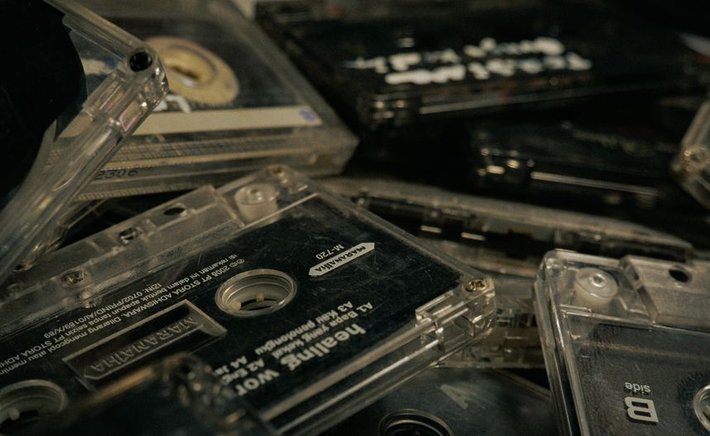
Walk through the merch table at almost any underground show and you will see them: small plastic cases in hand-stamped sleeves, arranged in a shoebox next to the vinyl. Cassettes. The format that the industry abandoned, that car stereos stopped supporting, that everyone agreed was obsolete, is still there, doing quiet and essential work for independent artists.
The standard explanation is nostalgia, and it is a lazy one. Most people buying tapes at a show were not alive when cassettes were the dominant format. They are not chasing a childhood memory. They are responding to something the tape actually offers: a physical object that costs almost nothing to make, that can be duplicated at home, and that carries the specific care of a handmade thing.
The Most Democratic Format
Compare the economics. Vinyl sounds wonderful and looks great, but a proper pressing run is expensive and slow, with minimum orders that can wipe out a small band's savings before they have sold a single copy. CDs are cheap but increasingly feel like clutter, a format people rip once and never touch again. A cassette run, by contrast, can be as small as a dozen copies, duplicated on a home deck, dubbed in real time with a label maker and a pair of scissors.
That low barrier matters enormously to artists who are just starting out. A band can have physical music for sale at their second show, not their twentieth. They can make twenty copies for a tour and fifty for a record release without taking on debt. The tape becomes a way of saying: this exists, it is real, and you can hold it.
There is also the sound. Tapes hiss. They wobble. They degrade a little every time you play them. For music that already lives in the lo-fi register, that imperfection is not a bug. It is part of the texture, a warmth that digital files sometimes struggle to replicate without sounding artificial.
A Format Built for Sharing
The cassette's original superpower was that it could be copied. You made a mixtape for someone you liked. You dubbed an album for a friend who could not afford it. That act of copying was not theft in the cultural imagination of the time; it was how music spread. The playlist inherited that function, but it lost the object. A tape is a gift you can hand to someone.
In a moment when so much music is infinite and weightless, the tape offers finitude. It holds maybe forty-five minutes. It has a side A and a side B, and you have to flip it. That small physical ritual, the click of the case, the rewind, the hiss before the first song, is exactly the kind of friction that makes listening feel like a choice again rather than a default. That is why tapes keep selling. Not because we miss the past, but because we want something in our hands.


Author

22 feb,2025
This incident opened my eyes to the value of Insurance in general, so I decided to examine my personal and business insurance.




Comment (3)
The payments are made directly from one person to another without passing through a central bank or clearing house.
22 feb,2025
ReplySmall Rooms, Loud Hearts: The Enduring Pull of House Shows
23 feb,2025
ReplyCassette Culture Isn't Nostalgia: Why Tapes Still Sell at Shows
23 feb,2025
Reply