September 19, 2026 Post by : Editorial DIY Culture
The Quiet Power of the Opening Act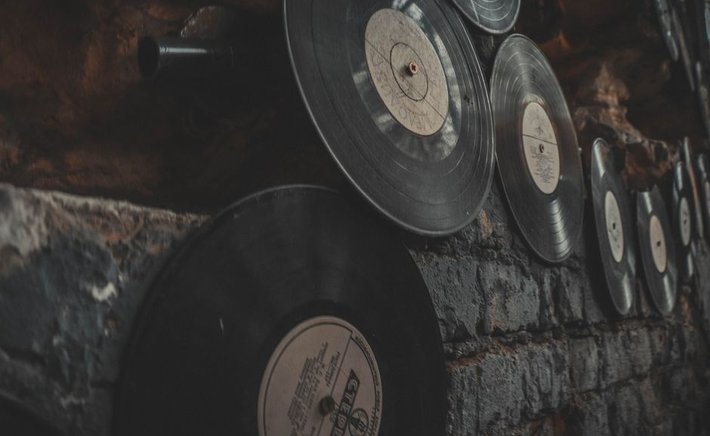
There is a particular kind of person who hears that something is difficult, expensive, and impractical and decides that is exactly the reason to do it. Lathe cut records are made for those people. Unlike a pressed record, which is stamped from a metal mold and can be duplicated by the hundreds or thousands, a lathe cut is carved in real time, one disc at a time, by a machine that physically etches sound into a plastic or acrylic blank. No two copies are ever quite the same, and that is the entire point.
The lathe itself is not a new invention. It predates the modern record pressing plant, and for decades it survived mostly in the hands of hobbyists, engineers, and a few stubborn labels who liked the sound or simply could not afford a pressing run. What has changed is who is using them and why. A growing number of underground artists now treat the lathe cut as a statement: this record exists because I made it exist, and it exists only in this form.
Why Bother With a Format That Refuses to Scale
Pressing plants, even the small ones, come with minimum orders. For a band that wants to release a single song, or a split with a friend's project, or a live recording nobody asked for, a run of three hundred records is a lot of commitment and a lot of money. A lathe cut sidesteps all of it. You can make ten. You can make three. You can make one for your mom and one for the person who booked your first show. The format scales down in a way that pressing never can, and for artists working without a label or a budget, that flexibility is not a novelty. It is the whole game.
There is also the sound. Lathe cuts are quieter, noisier, and more fragile than pressed vinyl. They wear out faster. Some of them skip on cheap turntables. Purists grumble about it, and they are not wrong, but the flaws are part of the appeal. A lathe cut is a document of a specific moment, cut on a specific afternoon, by a specific person who was probably drinking coffee and hoping the needle did not jump. You are not buying a product. You are buying a small piece of someone's time.
The People Behind the Machine
The lathe community is small enough that most of its members know each other by name. There are cutters in garages, in spare bedrooms, in the back of record stores, running vintage equipment they restored themselves or modern machines built by a handful of dedicated engineers. Turnaround times are measured in weeks, not months, and communication happens over email and Instagram DMs. If you want a lathe cut, you usually have to talk to a human being, which is increasingly rare in the music business.
That human element is why the format keeps finding new audiences. In a world where a song can be uploaded and forgotten in the same afternoon, a lathe cut forces patience on everyone involved. The artist waits for the cut. The buyer waits for the mail. The record itself will only play so many times before it starts to degrade. Everything about it is temporary and local and slightly inconvenient, and that is precisely what makes it feel like it matters.
Lathe cuts will never replace streaming, and nobody involved in them wants them to. They are not a business model. They are a handshake, a keepsake, a way of saying that this particular song deserved to exist in a form you can hold. In an underground scene that has spent the last decade figuring out how to survive the internet, that might be the most radical thing of all.


Author

22 feb,2025
This incident opened my eyes to the value of Insurance in general, so I decided to examine my personal and business insurance.



Comment (3)
The payments are made directly from one person to another without passing through a central bank or clearing house.
22 feb,2025
ReplyZines Are Back, and They Are Louder Than Ever
23 feb,2025
ReplyThe Quiet Power of the Opening Act
23 feb,2025
Reply