October 1, 2026 Post by : Editorial Live Music & Venues
From Zine to Playlist: How Underground Tastemakers Still Shape What We Hear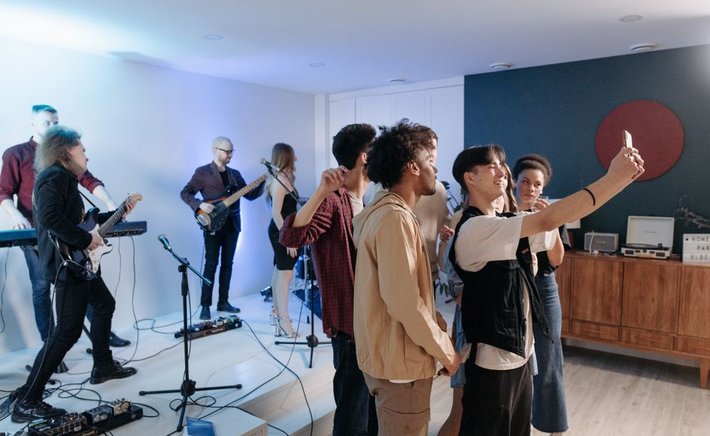
There is a specific smell to a house show: carpet, sweat, cheap beer, and whatever the hosts were cooking an hour before the door opened. There is a specific sound too, one that depends entirely on how many bodies are packed into a living room and how much the walls are willing to absorb. For a lot of people who love underground music, this is the room where it actually happens, not the club with the sound system and the cranky door staff.
House shows are not a new idea. They have been the backbone of punk, folk, emo, and experimental scenes for as long as there have been bands willing to play for gas money and a place to sleep. What keeps them alive is not romance. It is practicality. Small venues close. Rent goes up. Noise complaints pile in. Every time the official infrastructure shrinks, people open their homes, and the music finds a way to keep going.
The Economics of a Living Room
The math of a house show is brutally simple. There is no bar revenue, no ticketing platform taking a cut, no promoter to pay. Money collected at the door, often in a jar or a hat, goes directly to the touring band. For a group driving across the country, a hundred dollars and a couch to sleep on can be the difference between finishing the tour and turning around in Ohio.
That directness changes the relationship between performer and audience. There is no stage, or the stage is a corner of the room marked by a rug. There is no barrier, no security, no separation. When someone in the crowd knows every word, the band can hear it. When a song lands, the reaction is immediate and physical. It is the closest thing to a conversation that a concert can be.
None of this means house shows are easy. Hosts risk their leases, their security deposits, and occasionally their relationships with neighbors. Bands play to rooms that hold thirty people on a good night. There is no press coverage, no sponsor, no guarantee anyone outside that living room will ever know it happened. That is precisely why it matters to the people in it.
Keeping the Door Open
The health of a local scene can often be measured by how many house shows are happening on any given weekend. Not the big ones, the ones with a name and a flyer that gets shared widely, but the quiet ones: a touring band passing through, a local opener trying out new songs, a dozen people standing in a kitchen because the living room is full.
These shows survive on unglamorous labor. Someone makes a flyer. Someone borrows a PA. Someone figures out where the band is sleeping. If you want to support underground music, this is where the support actually lands, not in a streaming play but in a room with a bad carpet and a good crowd. The clubs will come and go. The living rooms keep the scene warm.


Author

22 feb,2025
This incident opened my eyes to the value of Insurance in general, so I decided to examine my personal and business insurance.



Comment (3)
The payments are made directly from one person to another without passing through a central bank or clearing house.
22 feb,2025
ReplyThe Basement Tapes Never Died: How DIY Recording Is Reshaping Indie Music
23 feb,2025
ReplySmall Rooms, Loud Hearts: The Enduring Pull of House Shows
23 feb,2025
Reply